

Accountant & Bookkeeper Stories

However, bookkeeping and accounting clerk jobs are expected to decline, with a 6% fall in jobs over the same period, due to pressure from automation and technology. Compliance with industry-specific regulations is also essential, depending on the nature of the business. Bookkeepers typically require a high school diploma or some formal training, and certification is optional, such as becoming a Certified Bookkeeper. In contrast, accountants require a bachelor’s degree in accounting or a related field and often hold certifications like the CPA. For instance, a cash flow statement can provide clarity on your business’s liquidity, offering insights into investment opportunities or potential pitfalls. When exploring the financial landscape of your business, choosing between hiring a bookkeeper or an accountant can be a challenging decision.
Services We Provide
- AI is not replacing human roles in many industries, but rather augmenting them with automation and streamlining processes.
- Bookkeepers do not need a college degree to start working, but completing additional training can help with job advancement.
- Bench simplifies your small business accounting by combining intuitive software that automates the busywork with real, professional human support.
- Bookkeeping ensures accurate records and compliance with financial regulations, while accounting provides the insights and analysis necessary for making informed business decisions.
- This makes it easier to find out what has happened with the money and catch mistakes early.
Without the bookkeeper, accountants wouldn’t have what they need to make decisions. People who enjoy a work routine that does not involve a lot of decision-making make great bookkeepers. They record this information in spreadsheets, using standardized account names provided to them by the accountant. These account names explain why and where the money came from or was used. Bookkeepers also record what is owed to a business but not yet received and what the company owes but has not yet paid.

#4 Management Accounting Concepts and Techniques

These differences show up in Bookkeeping for Consultants their day-to-day tasks, the skills needed for each role, and the goals they work toward. Bookkeepers keep careful track of sales, expenses, receipts, and payments. Accounting is a process where financial data is organized, analyzed, and reported. Accountants look at all of a business’s financial transactions to check accuracy and explain what the numbers mean.
#1 Business Accounting

Accounting uses the information from bookkeepers to analyze finances and produce reports. Bookkeepers do not usually provide forensic or advanced accounting services. Bookkeepers play a part by keeping records current, so accountants always have the right information for their plans.
If strategic financial planning is what you’re after, an accountant might be the better choice. One pivotal distinction between the two roles is that accountants typically prepare and analyze financial statements, which can offer valuable insights. A bookkeeper is responsible for recording all day-to-day financial transactions for a business. They keep track of purchases, sales, receipts, and payments in net sales ledgers or computerized systems. Armed with accurate financial data, the business made informed decisions that led to increased revenue, improved cash flow, and overall stability.
Why Parable Accounting and Bookkeeping for Churches?
- Most importantly, your accountant is a valued advisor who can help you with important decision-making.
- A line like, “Your skills are truly ‘tax’-ing, in the best way possible!” can add a personal touch.
- Entry-level bookkeepers might earn an average annual wage ranging from $40,000 to $50,000, depending on location and industry.
- They usually have a basic understanding of math and accounting software.
- For small business owners, especially sole proprietors, simplicity can be the key.
In conclusion, understanding the distinctions between accounting and bookkeeping is crucial for effective financial management. While bookkeeping focuses on meticulous transaction recording, accounting involves interpretation, analysis, and strategic financial planning. Learn more what you can do to offer quality accounting services as a Strategic Accountant (free e-book).
- With more than 25 years of experience in the bookkeeping industry, Melinda had developed a wealth of expertise to shape her passion.
- Collaborate with your peers, support your clients and boost your practice.
- Whether you’re at the office or crunching numbers from your home office, some good accounting puns can turn a spreadsheet into a spread-smile.
- Advanced accounting also plays a pivotal role in compliance, ensuring businesses adhere to financial regulations and standards.
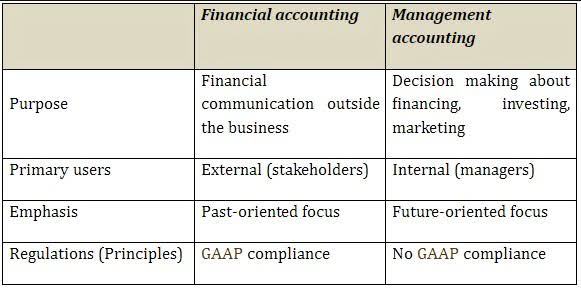
- Fundamentals of Accounting, is a document that covers various aspects of accounting, including financial accounting, cost accounting, and management accounting.
- Bookkeeping is the systematic recording of everyday business transactions, thus forming a foundation for advanced accounting.
- Bookkeeping is the daily financial tracking of all of your daily financial transactions.
We have gone over the differences between bookkeeping and accounting. This is especially true if you’re leveraging online platforms for tasks like tax filing, where having organized bank statements and expense receipts can streamline the process. Here’s a guide to help you understand when to opt for bookkeeping Customers Success Stories services and when it might be time to engage an accountant. Bookkeepers play an essential role in the financial health of a business. They meticulously handle the recording and maintaining of financial information, ensuring every penny is accounted for.
